An introduction to Sage Limón
- Caroline Christine Frank
- May 19
- 5 min read
Updated: Jul 24

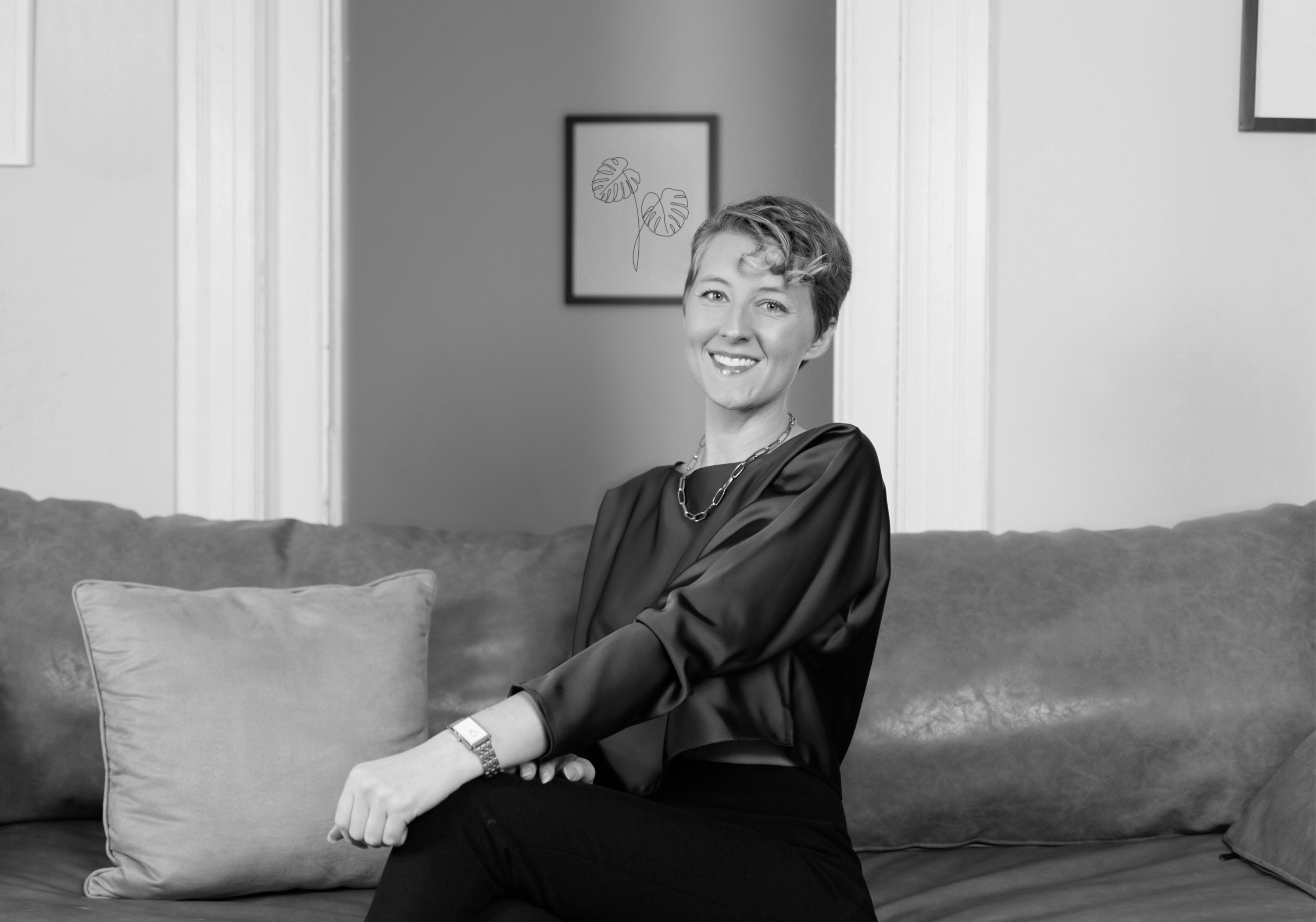
Photo by C Bauer Photography
Artist bio
Caroline Christine Frank, also known as Sage Limón, is a literary artist who is fascinated by the use of language. Local to St. Louis, Missouri, she has been writing since the age of seven. She decorated the inside of her closet and would hide out there with her journal. This was where she fell in love with spilling words onto the page. Her first creative writing assignment was to tell a story from the perspective of a cereal box. She described what it feels like to sit on the bottom shelf waiting for someone to notice you, pick you up, and hold you. By the age of fourteen, her poem “Sunflower Seeds and Hope” was displayed in the Holocaust Museum. This piece was a survival story depicting her Oma’s lived experience in the prisoner-of-war camps during WWII. Caroline was a prisoner of her own kind of war: the war inside. She used writing to process these experiences and bring her creative ideas to life. She went on to work for her college newspapers, The Montage and The Current. Since then, she has written professionally as a Content Creator, Blogger, and Copywriter for various clients. Her work appears in Sauce Magazine and MyrtleHaus’ first anthology, Angels on a Sylvan Road (2024). In 2025, she displayed works in A Show of Courage, the art corridor at CIC in the Cortex Innovation District, and STL for Diversity at TechArtista x Lewis Collaborative in connection with WashU Sam Fox School of Design & Visual Arts. She then taught "The Four Elements Writing Workshop" and was named by Contra as one of the best freelance writers to hire in Missouri. In 2026, she submitted a 100-page manuscript to The National Poetry Series, began the publication process for her children’s book The Dog and The Flower, and curated her first exhibition, "Coffee + Creations."

Photo by Yasmeen Coby
Sage Limón
In 2026, Caroline founded the brand Sage Limón. She chose this pen name for many reasons. She loves plants and fruit, and she often incorporates nature into her writings. Sage is one of her favorite colors, and its aesthetic evokes a calming feeling for her. Sage is also burned in the spiritual practice of clearing energy, and Caroline views writing as a sacred ritual. In the same way you can burn sage, you can also burn pieces of paper after tattooing them with the ink of the heart. To write is to alchemize hardship into meaning, and sage is a symbol that represents an essential part of that healing.
Limón, which is Spanish for “lemon,” has many meanings as well. Growing up, yellow was her favorite color. After receiving treatment for her mental health in 2025, Caroline experienced what she calls her “joy day,” when there was a flood of positive emotions she wasn’t able to feel for a long time. One of the first changes she noticed in herself was that she started liking the color yellow again. This signaled to her that she was happy—she felt she had been reset to “factory settings” and given a new life without the weight of depression. Her books explore the experiences that led her to a breaking point but acknowledge the underlying theme of hope that remained throughout it all. Caroline's aura has been described by more than one friend as yellow, which makes her feel seen. Lastly, lemons are a nod to Caroline’s holistic journey of incorporating more produce in the kitchen. One of her favorite dishes is lemon and olive oil with quinoa and chicken, and she can be found squeezing lemons weekly. In 2021, She became sober and began eating gluten-free and dairy-free in an attempt to take control of her health.
As with everything Caroline does, she put a lot of thought into the name Sage Limón.

Photo by Juno Musonda
Artist statement
Growing up as a queer, neurodivergent, and chronically ill person in the world was an interesting and difficult set of circumstances to live with. The household I “belonged” to was a conservative, Christian one in which I was incredibly sheltered, especially as a kid who was in and out of homeschooling. On top of being confused about my differences, I also felt a great deal of shame and worry, wondering if I would ever be good enough and if it would ever get better. The depression and anxiety I felt as a kid was amplified by the jarring reality of “the real world.” I have always been a sensitive one, and the power of the pen allowed me to be the author of my own story. I used writing as an escape; it was my safe space to process my thoughts, express my feelings freely, and balance my idealistic world in contrast with what actually exists. As an adult, and more specifically a woman and rape survivor, I have encountered more challenges that have shaped who I am as a person. The traumas, identity struggles, and health issues I’ve experienced have all woven themselves into my art. I also use my writing to document the silver linings—meaningful words, languages of love, and heartfelt moments of gratitude, joy, and connection—interlaced into the bigger picture. I am learning how to hold space for all of the seemingly conflicting aspects of life: beauty and pain. The world often feels like too much and not enough, which is why I aim to reduce the noise and turn up the volume on my voice. My creativity is how I alchemize the darkness in my internal world; I hope to bring light to myself and others.

Comments